

Introduction: Why Some Books Spark Unforgettable Discussions
Have you ever been part of a book club where the conversation just fell flat?

You all read the same pages, but nobody had much to say about them. It happens more often than you might think. The struggle to find books that actually generate lively discussions is real. And honestly, it can make a book club feel more like a chore than a joy.
Here’s the thing: the right book can transform your group from dull to dynamic in a single meeting. Pick a title that blends humor, insight, and conversation fuel, and suddenly everyone has an opinion. The clock runs out before the debate does. That’s the magic we are chasing here.
In 2026, readers have more choices than ever. But more choices don’t always mean better picks. That is why this listicle exists. We have gathered titles that hit a sweet spot. They balance entertainment with depth. They make you laugh, think, and argue in equal measure.
Take the atomic habits book by James Clear, for example. It has sold over 25 million copies worldwide and topped bestseller lists for years. That kind of success is no accident. The book’s simple framework for building small, repeatable behaviors sparks endless real talk about change, failure, and growth. You could spend an entire session just debating which "1% improvement" actually worked for someone in your group.
But this list goes far beyond one title. We will also explore other conversation starters like the housemaid book that keeps readers guessing until the final page, the emotional depth of a little life book, the haunting atmosphere of night book, and even the surprising warmth of chrysanthemum book. Each one brings something different to the table.
Whether you lead a monthly book club or just love to chat about what you read with friends, this guide helps you skip the duds and find the gems. And if you want even more curated laughs, do not miss our list of authors who write laugh-out-loud books you will love. It pairs perfectly with the picks below.
Let’s get the conversation started.
Atomic Habits by James Clear: The Blueprint for Lasting Change
Most book clubs stick with fiction. But sometimes a non-fiction pick can stir the most honest conversations. Atomic Habits by James Clear is that rare book. It has sold over 25 million copies worldwide and stayed on the New York Times bestseller list for years. That kind of staying power means millions of people have wrestled with its ideas. That alone gives your group plenty to talk about.
The magic of the atomic habits book lies in its simple framework. Clear breaks behavior change into four laws: make it obvious, attractive, easy, and satisfying.
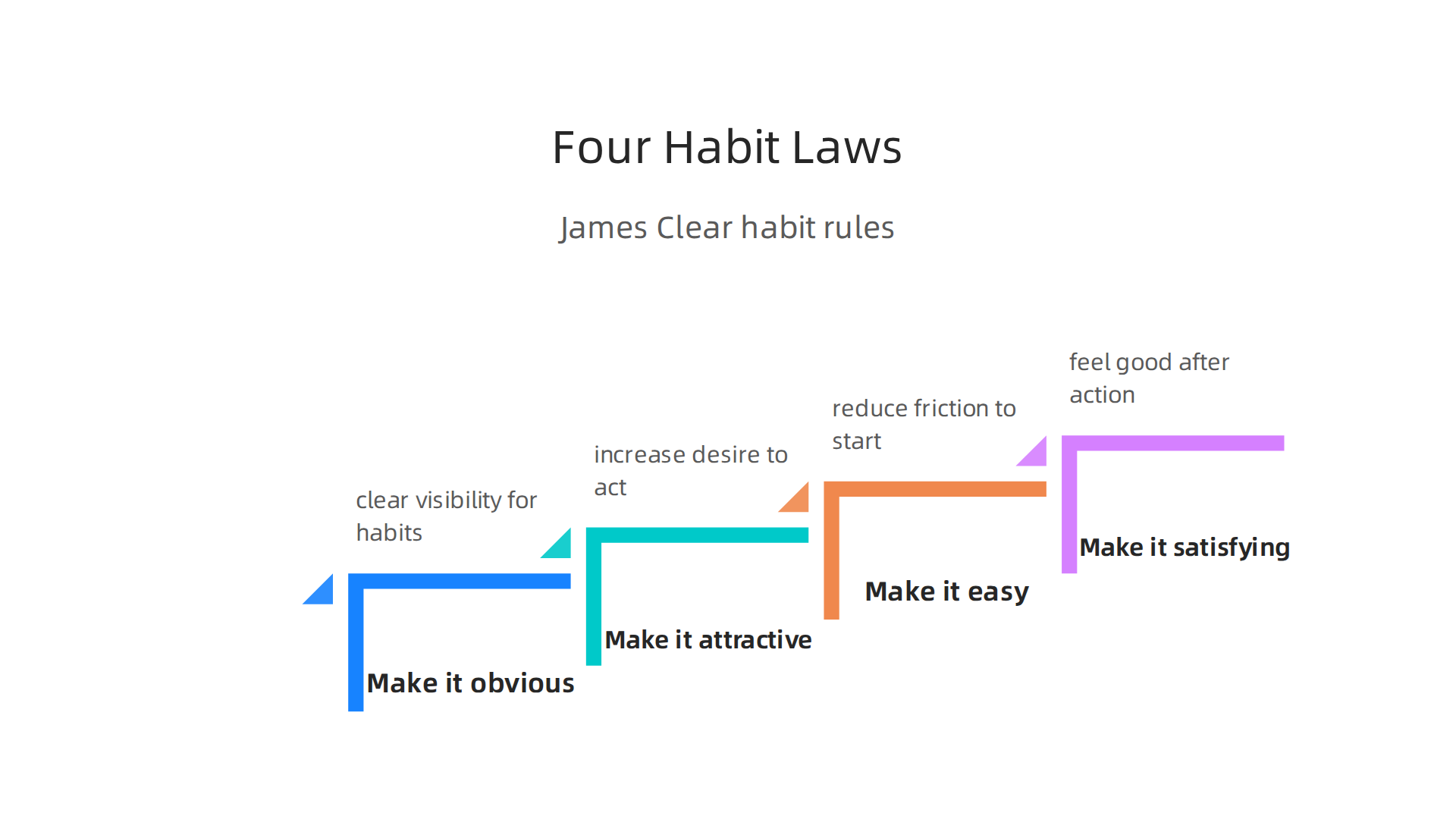
Your book club can spend an entire meeting debating which law is the hardest to follow. Or you can share personal stories about habit stacking.

That is the trick of pairing a new habit with an existing routine. It sounds easy on paper. In real life, it gets messy. And that is exactly where great discussion lives.
Then there is the identity shift. Clear says real change happens when you start believing “I am the kind of person who does this.” Not just “I want to lose weight,” but “I am a healthy eater.” Your group will likely split on whether that mindset trick works or feels fake. That kind of back-and-forth is gold for a book club.
If your group wants a lighter follow-up after such a practical read, check out our list of authors who write laugh-out-loud books you will love. It balances the seriousness with some much-needed humor.
Atomic Habits has earned its spot on this list because it gets people talking about real life, not just plot twists. Your next meeting will probably run longer than planned. And that is exactly what a good book club should do.
The Hitchhiker’s Guide to the Galaxy by Douglas Adams: Absurdity Meets Philosophy
After the practical habit-building in Atomic Habits, your book club may need a break from real life. That is where The Hitchhiker’s Guide to the Galaxy comes in. Douglas Adams takes you on a wild ride through space with a towel and a depressed robot. But don’t let the jokes fool you. This book asks big questions about existence, technology, and the meaning of life. It is one of the most popular humorous fiction picks for groups because it makes serious topics feel light and fun.
The story follows Arthur Dent, an ordinary guy who gets swept off Earth just before it is demolished. He learns about the bureaucracy of the universe, the absurd nature of technology, and the ultimate answer to life, the universe, and everything. Your group will have no shortage of things to debate. Is the answer really 42? Does the Infinite Improbability Drive actually make sense? And why does the mice experiment feel so familiar?
Adams uses satire to poke fun at everything from government to artificial intelligence. The humor opens the door to deep discussions without feeling heavy. If your group wants more laughter after Atomic Habits, this is a perfect next pick. For more recommendations that blend wit with wisdom, check out our list of authors who write laugh-out-loud books you will love.
This sci-fi comedy classic appears on many top book club lists, including the best humor books 2026 roundup. It proves that you can laugh while thinking. And that is exactly what makes it a standout for any group that wants their next meeting to be both fun and meaningful.
Thinking, Fast and Slow by Daniel Kahneman: Understanding Your Mind
After laughing through space with Arthur Dent, your book club may want something that explains why you found those jokes so funny in the first place. Thinking, Fast and Slow by Daniel Kahneman is perfect for that. Kahneman won the Nobel Prize for his work on how our brains make decisions. And this book breaks it all down in a way that sparks amazing conversations.
Here is the thing. Your brain runs on two systems. System 1 is fast and emotional. It makes snap judgments without you even noticing. System 2 is slow and logical. It requires effort and energy.
Kahneman shows how these two systems interact, and the result is a deep look at why we think the way we do. The book focuses on 48 different heuristics and biases that shape our daily choices. That means every chapter gives your group something new to talk about.
The best part for a book club is how personal this gets. Everyone in your group has made a decision based on a gut feeling that turned out wrong. Everyone has fallen for a bias without realizing it. You can share your own stories about times your brain tricked you. That is what makes this one of the most discussion-rich nonfiction picks you will find. Check out these book club questions for Thinking, Fast and Slow to jumpstart your next meeting.
This book also pairs well with other thought-provoking reads. If your group enjoyed an atomic habits book before, this offers a different but equally useful look at how your mind shapes your behavior. The two books complement each other nicely. You could even follow it with something like A Little Life for a deep emotional contrast, or Night Book for a look at human resilience under extreme stress.
The discussions your group will have about the surprising ways we fool ourselves are the kind that stick with you long after the meeting ends. You will start noticing your own biases in real life. And that is the sign of a book that truly changes how you see the world.
If your group wants more nonfiction that blends science with self discovery, check out our related content on finding books that deliver real laughs without the guesswork. Even serious topics benefit from a little lightness.
Me Talk Pretty One Day by David Sedaris: A Masterclass in Observational Humor
So you have spent your last book club meeting learning about the biases that trick your brain. Now it is time to lighten up. Me Talk Pretty One Day by David Sedaris is the perfect palate cleanser. And it is one of the best humor books of 2026, according to book critics who track this kind of thing.
Sedaris writes short personal essays. Each one takes maybe 15 minutes to read. That makes them ideal for focused discussion. You can pick one or two essays per meeting and dig into every line. No one needs to finish a whole novel before talking.
The real magic is how Sedaris finds comedy in universal awkwardness. He writes about learning French in Paris and sounding like a fool. He shares stories about his eccentric father and his bizarre family. These situations feel familiar because everyone has been embarrassed in a new language or dealt with weird relatives. His humor comes from the truth. And truth drives the best book club conversations.
The essays touch on family, language, and identity. These are themes everyone can relate to. That is why many book clubs in 2026 are turning to comedy and humor for their monthly picks. The discussions become personal and revealing. People open up about their own awkward moments.
If your group enjoyed the self-awareness from an atomic habits book, this book takes that awareness and turns it into pure laughter. Sedaris makes you think about your own behavior, but he makes you laugh while doing it. That combination is hard to beat.
For book clubs looking to explore more authors with that same ability to make you laugh out loud, check out our list of 10 authors who write laugh-out-loud books you will love. It is a great way to find your next funny read.
Your group will laugh, share their own cringe-worthy stories, and leave the meeting feeling closer to each other.

That is what a good book club is all about.
The Alchemist by Paulo Coelho: A Fable of Self-Discovery
Now that you have laughed through Sedaris’s awkward moments, it is time to turn inward. The Alchemist by Paulo Coelho offers something completely different. It is a slim fable about a shepherd boy named Santiago who follows his dreams across the desert to find treasure.
The story is simple. But its meaning is not. That is what makes it such a strong choice for your book club in 2026.
Here is the thing. Coelho writes in a way that feels almost like a fairy tale for adults. Every scene carries a deeper lesson. Santiago meets a king, a crystal merchant, an Englishman, and an alchemist. Each person teaches him something about listening to his heart and pursuing his personal legend.
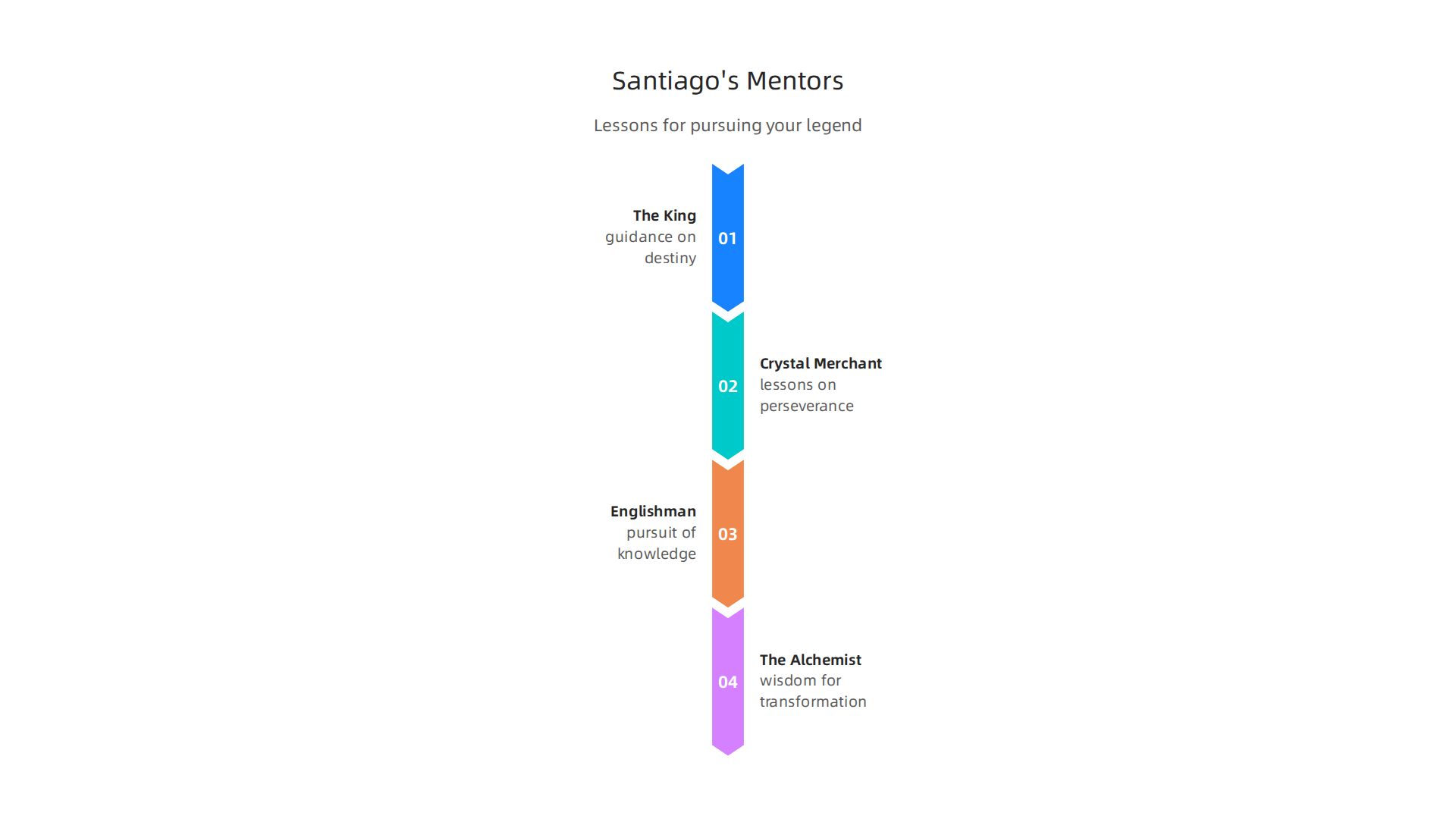
Your group will find endless angles to explore.
The allegorical nature of The Alchemist means everyone walks away with a slightly different take. Some readers see it as a spiritual guide. Others read it as a simple adventure story. And that variety of opinion is exactly what fuels great book club discussions. You can find a solid set of The Alchemist book club questions to help kick things off.
Discussion often centers on destiny and personal legend. What does it really mean to follow your dream? Is the journey more important than the destination? These questions tie back to ideas you might have explored in an atomic habits book, where small consistent actions lead to big transformations. Santiago’s journey works the same way. He does not find his treasure overnight. He takes one step at a time, learning and growing along the way.
This book works well for almost any group. It appeals to casual readers who want a quick, uplifting story. And it satisfies serious readers who love unpacking symbolism and metaphor. That broad appeal is rare.
If your group wants to explore more books that blend deep meaning with accessible storytelling, take a look at our guide on finding humorous books that deliver real laughs without the guesswork. While The Alchemist is not a comedy, discovering any new book you love starts with knowing where to look.
Your group will finish this book feeling inspired. And you will have plenty to talk about.
Good Omens by Neil Gaiman and Terry Pratchett: The Ultimate Comic Fantasy
Now let us shift gears completely. If The Alchemist made your group think deeply about destiny, Good Omens will make you laugh while thinking about the end of the world. It is a wild ride.
Here is the setup. An angel named Aziraphale and a demon named Crowley have lived on Earth for thousands of years. They have grown rather fond of humanity. So when the Antichrist is born and the apocalypse is scheduled to begin, they decide to work together to stop it. The result is pure comedy gold.
What makes this book so special is the collaboration between two masters. Neil Gaiman brings the dark fantasy and rich mythology. Terry Pratchett brings the sharp wit and satire. When you combine them, you get a story that is clever, warm, and absolutely hilarious. One popular Good Omens discussion question asks whether you can see the individual authors in the writing or if they blended together perfectly. That question alone could fuel an entire meeting.
Your group will have so much to unpack. You can talk about how the book pokes fun at religion and prophecy. You can explore the beautiful friendship between Aziraphale and Crowley, two beings who are supposed to be enemies but choose each other instead. And you can debate what the book says about human nature and free will.
The humor in this book works on every level. There are silly jokes that make you snort. There are clever references that reward rereading. And there is a deep warmth that makes you care about every character, even the Four Horsemen of the Apocalypse. If your group enjoys this style, you will love exploring our list of authors who write laugh out loud books you will love. Gaiman and Pratchett are masters of the craft, but they are not the only ones.
The book also ties into ideas from an atomic habits book in a surprising way. Think about it. Aziraphale and Crowley have spent centuries building small routines and quiet acts of kindness. Those tiny choices shape who they become. By the time the apocalypse arrives, their habits have made them more human than angel or demon. Their transformation happens one small decision at a time.
This is the kind of book that works for everyone in your group. Fantasy fans will love the worldbuilding. Comedy fans will love the jokes. And readers who usually pick up something heavy like a a little life book will appreciate the lighter tone. It is a perfect palette cleanser between heavier reads.
Your group will finish Good Omens feeling entertained and thoughtful. That is a rare combination. And it makes for one of the best book club experiences you can have in 2026.
Sapiens by Yuval Noah Harari: A Brief History of Humankind
Ready for a change of pace? After the laughs of Good Omens, your book club can sink its teeth into something completely different. Sapiens by Yuval Noah Harari is the kind of book that changes how you see everything.
Here is the thing. Most of us think we understand human history pretty well. We learned about farming, empires, and wars in school. But Harari flips all of that on its head. He argues that the real secret to our success is not our brains or our thumbs. It is our ability to believe in shared fictions. Money, nations, laws, and human rights are all stories we made up together.

And those stories let millions of strangers cooperate on a scale no other species can match.
This book will spark the best debates your group has ever had. You can ask questions like: Was the Agricultural Revolution a terrible mistake? Are we happier than our hunter-gatherer ancestors? And where are we headed next? There are plenty of ready-to-use Sapiens discussion questions online to get the conversation flowing.
Sapiens covers history, biology, and sociology all at once. That broad scope means every reader will find something to latch onto. The science fans will love the parts about genetics and evolution. The history buffs will enjoy the sweeping timeline. And the philosophy lovers will wrestle with the big questions about meaning and happiness. Bill Gates himself called the book provocative and thought provoking.
Here is how it connects to the idea of an atomic habits book. Harari shows that the biggest changes in human history started small. The first farmer did not know they were starting a revolution. They just planted a few extra seeds. Over generations, that tiny habit reshaped the entire planet. The same principle applies to your own life. Small routines compound into massive results over time.
If your group usually picks up something heavy like a a little life book, Sapiens will feel like a fresh kind of challenge. It is intellectually demanding but never depressing. It makes you think without making you cry.
Your group will leave every meeting with new questions and new arguments. And you will never look at a dollar bill or a calendar the same way again. That is the mark of a truly great book club pick for 2026.
But maybe you need a break after all that big thinking. If your group wants something lighter next, you can always browse our list of authors who write laugh out loud books you will love for a palate cleanser.
Where’d You Go, Bernadette by Maria Semple: A Witty Mystery of Modern Life
Ready for something completely different after all that deep thinking? Where’d You Go, Bernadette is like a breath of fresh air for your book club. It is smart, funny, and surprisingly touching all at once.

Here is the setup. Bernadette Fox is a brilliant architect who has kind of checked out of life. She lives in Seattle with her husband Elgie and their daughter Bee. She hates the other parents at school. She avoids her neighbors. And then one day, she disappears. The whole story unfolds through emails, letters, report cards, and secret documents. Bee is trying to piece together what happened to her mom.
This format is called an epistolary novel. And it works incredibly well here. You get to be a detective right alongside Bee. Every document reveals a little more about Bernadette’s messy, complicated, and hilarious life. As this book club discussion guide points out, the format makes the story feel more intimate and personal. That is a great place to start your group conversation.
Your group will have a lot to talk about. Is Bernadette a genius who is misunderstood? Or has she actually lost her grip on reality? Discussion guides ask whether she has become unhinged or if she was always a little bit crazy. You can also dig into her marriage to Elgie. Is it a real love story or just a dysfunctional mess? The book club kit from Peanut Blossom Book Club has great questions about their relationship that will get everyone talking.
This book works on multiple levels. On the surface, it is a fun mystery with sharp humor. But underneath, it asks big questions about creativity, family, and what it means to be yourself. It has the depth you want from a great book club pick without the heavy emotional weight of something like a a little life book. If your group just finished something intense, this is the perfect palate cleanser.
Like an atomic habits book that shows how small routines shape our lives, this novel reveals character through tiny details. The grocery lists, the emails, the school forms. Each small piece adds up to a full picture of who Bernadette really is. The domestic secrets also call to mind the kind of layered storytelling you find in a good housemaid book, where everyday life hides something much bigger.
And the humor is real. Maria Semple has a sharp wit. She pokes fun at Seattle culture, tech parents, and the chaos of modern family life. Your group will laugh out loud more than once. But the laughter never takes away from the heart of the story.
If your book club enjoys this mix of humor and heart, you will love exploring more authors who write laugh out loud books you will love. There are plenty of other witty novels waiting for your next meeting.
This is a night book you will want to stay up late reading. And it is the kind of story that stays with you long after you finish the last page.
Summary
This article helps book-club leaders and readers choose books that reliably generate lively conversation, blending funny, thoughtful, and provocative titles across genres. It explains why a mix of nonfiction frameworks (like James Clear’s habit model and Kahneman’s System 1/2), comic fiction (Douglas Adams, Gaiman & Pratchett), short-form essays (David Sedaris), fables (Paulo Coelho), sweeping history (Yuval Noah Harari), and modern mysteries (Maria Semple) each prompt different kinds of discussion. You’ll learn which books create debate, how short essays can focus meetings, why pairing heavy reads with lighter palate cleansers works, and which questions kick off meaningful talk. The guide gives concrete examples your club can pick now, shows how themes connect across books, and points to resources for finding more humorous and discussion-friendly reads.