Have you ever thought about reading a classic novel but felt a little scared?

Maybe those old books seem too long, too hard, or just not right for today. It’s easy to think that way, especially with so many new and exciting stories coming out every year in 2026. You might feel like classics are only for school or for people who love old things.
But here’s a secret: many classic novels are actually full of amazing adventures, deep thoughts, and even humor that still hits home. They can teach us a lot about people and the world, often in ways that feel very fresh and new, even if the story was written a long time ago. Experts even talk about how some written works have lasting merit that stands the test of time Are Some Books Better Than Others?.
Think of it this way: these books became "classics" because they’re truly good stories that many people have loved for a long, long time.
This guide is here to help you discover the joy of reading classic novels without the worry. We’ll show you how to pick exciting novels to read for beginners and find books that truly speak to you. We’ll explore well-known tales like The Count of Monte Cristo is a humorous classic that still surprises readers in 2026 and even dive into deeper reads like the famous "book invisible man."

We’ll also look at popular stories such as the "life of pi book" and "into the wild book" to see how older ideas can connect with modern tales.
Our goal is to make reading these older stories fun and easy. You’ll learn how to approach them, find editions that are easy to understand, and see why they’re still worth your time. If you’re someone who loves a good story, you might find your next favorite read among these classics.
Looking for funny fiction? Even classic books can surprise you with wit and laughs, but if your main goal is to find books that truly deliver humor, then we have special lists just for you. Looking for Funny Fiction?
Many older stories are like sturdy roots for the trees of today’s books. They planted ideas and ways of telling tales that we still see all around us in 2026. Think about big ideas like courage, finding your place, or even the fight between good and bad. These ideas often started in classic novels and keep showing up in new books, movies, and shows.
For example, a famous story like the book invisible man made people think deeply about identity and what it means to be seen or ignored by society. These are powerful themes that are still very important in our world today. Even popular modern tales, like the journey found in the life of pi book or the real-life adventure in the into the wild book, share spirits of discovery and self-reliance that you can find in much older books too. Classics are like a treasure map to understanding where our stories come from.
Sometimes, when we talk about a book being a "classic," we mean it’s been put on special lists by schools or experts, perhaps even a "literary works list" used for education State Board of Education TEA Proposed Literary Works List. This often means many people have found it important for a long time. But here’s the key thing to remember: a book’s true value isn’t just about what others say. It’s about what you get from reading it.
A classic novel might open your eyes to a different time or make you think about human nature in a new way.

It could be one of the easier novels to read for beginners or something a bit harder. The real magic happens when a story, old or new, connects with your heart and mind. That’s when a book becomes special for you. If you like discussing what you read, many classics are perfect book club books for discussion that spark unforgettable conversations. They often have many layers to talk about.
How to read a classic today: fast, focused strategies for busy readers
The real magic of a classic novel is when it connects with your heart and mind, making it truly special for you. But what if you’re busy? Or if an old book seems too big and hard to start? Actually, reading classics today doesn’t have to be hard or take all your time. Even with a busy schedule, you can enjoy these wonderful stories with some smart tricks.
Here are some fast, focused ways to dive into classic novels:
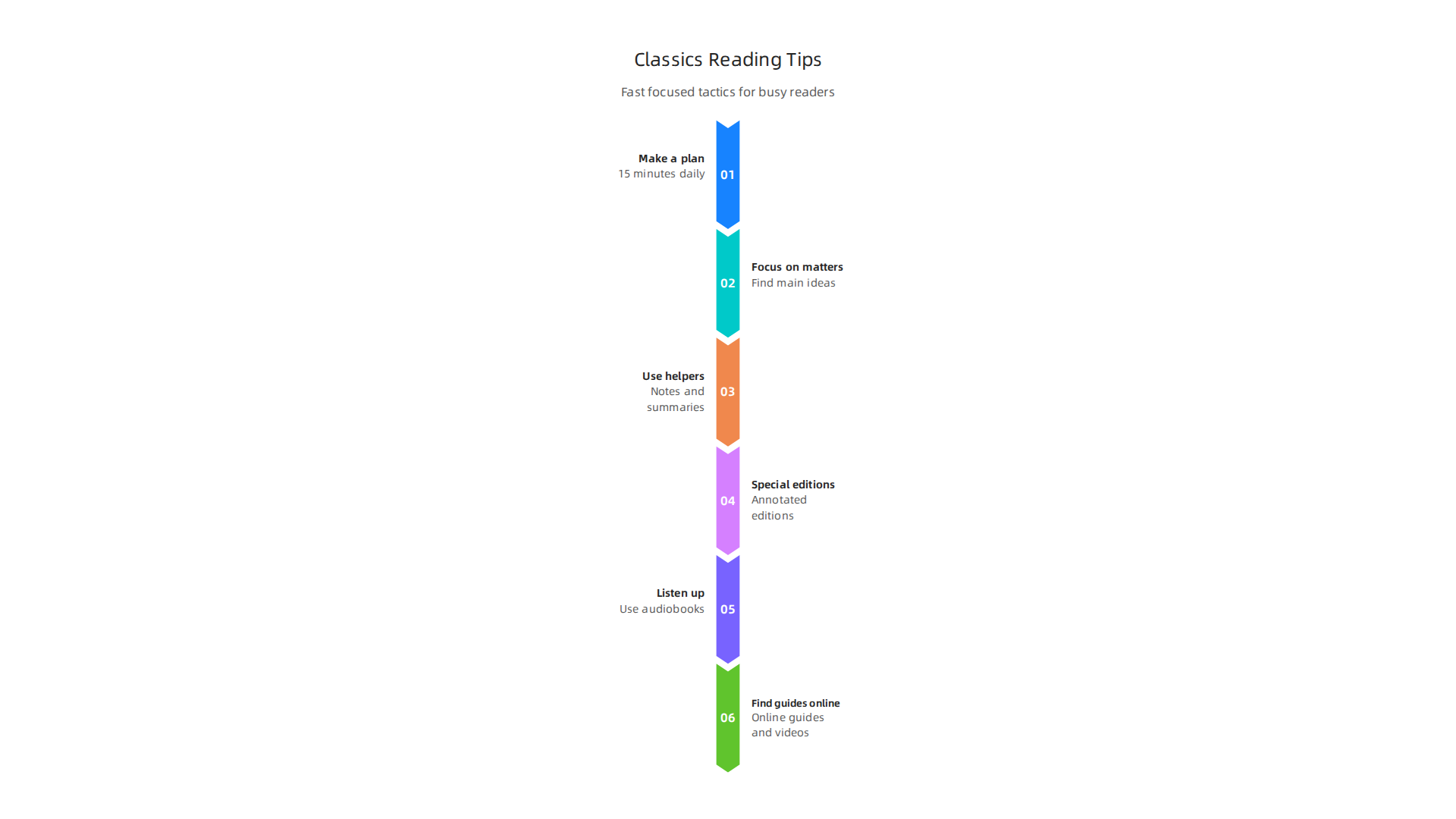
- Make a plan: Try setting small goals, like reading a certain number of pages each day or for just 15 minutes. This is called a guided reading schedule. It makes a big book feel less scary. You don’t have to finish a whole book like the
book invisible manin one weekend. - Focus on what matters: You can try thematic skimming. This means you look for the main ideas or a specific topic you’re interested in. For example, if you’re reading a book like the
life of pi bookand want to understand survival, you can pay extra attention to those parts. This helps you get the most important messages without getting stuck on every single detail. - Use helpers: Many classic books come with notes or introductions that explain tricky words or old ideas. These are called annotations. You can also look up quick summaries online to get the main story before you read, which can really help you understand what’s going on 6 tips to help you tackle a classic novel.

This helps make even harder novels to read for beginners more approachable.
Tools and different ways to read can also save you time:
- Special editions: Look for "annotated editions." These books have helpful notes right on the pages, almost like a teacher is guiding you through the story.
- Listen up: Audiobooks are a fantastic way to enjoy classics when you’re doing other things, like driving or doing chores. Many people in 2026 enjoy audiobooks and e-books, even though print books are still very popular Americans still opt for print books over digital or audio versions.
- Find guides online: There are many free guides and videos online that break down classics. Some YouTube channels even suggest 31 Classics to Read Instead of Scrolling in 2026 and offer tips for new readers. Sometimes, you might even find a classic that surprises you, like how The Count of Monte Cristo is a humorous classic that still surprises readers in 2026. This can make reading old stories a fresh and fun experience, much like the unexpected journeys in the
into the wild book.
Rereading Invisible Man: why ‘book invisible man’ still connects with readers now
After learning smart ways to tackle any classic, let’s look closely at one that truly stands out: Ralph Ellison’s Invisible Man. This isn’t just an old story; it’s a powerful book that still speaks to people today in 2026.
The book invisible man dives deep into big ideas that were important then and are still important now. Some of the main topics are:
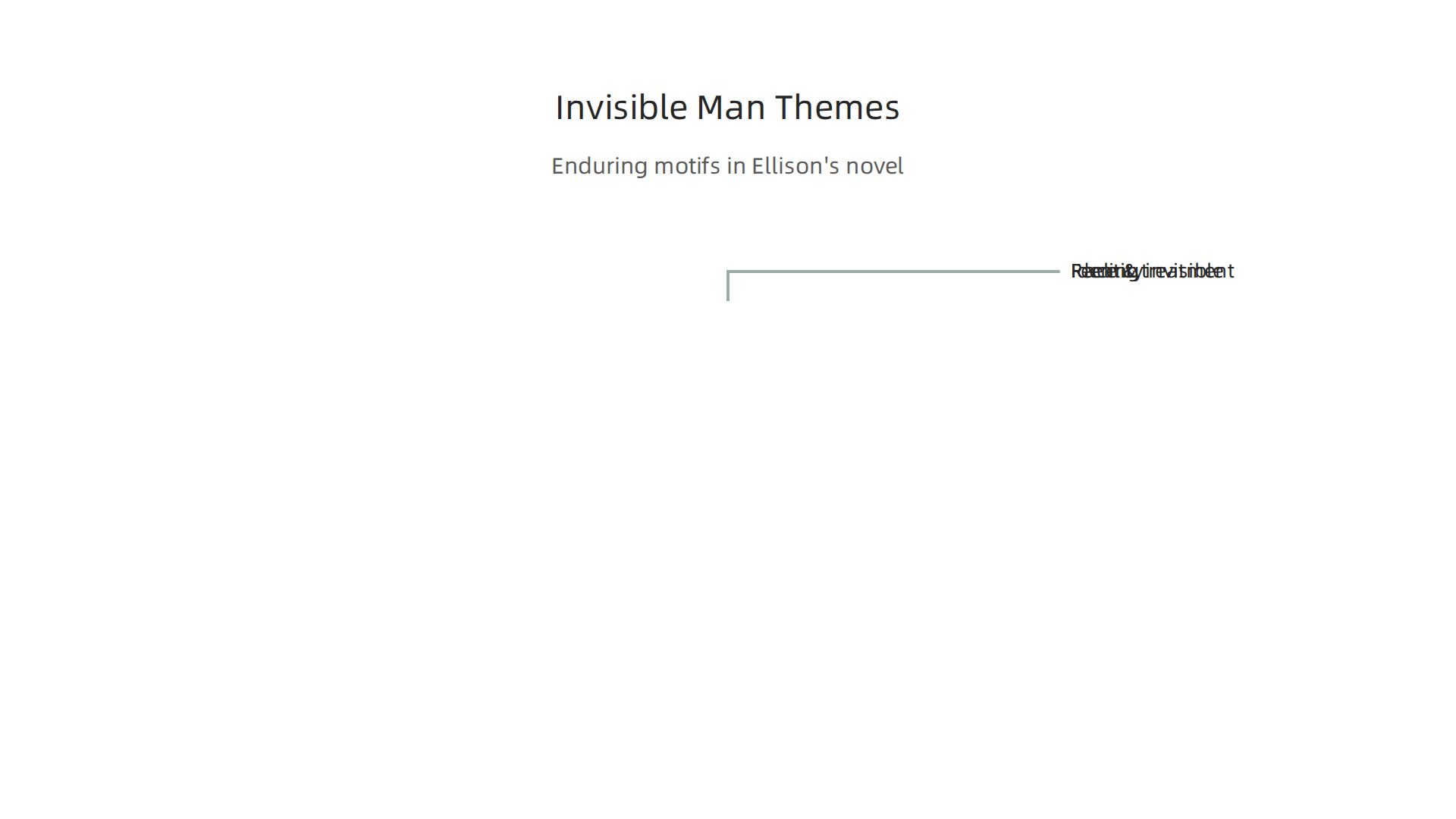
- Identity: This is about who someone truly is, especially when other people or society try to tell them who they should be. The main character in the
book invisible manstruggles with this a lot. - Race and how people are treated: The story shows how unfair treatment and false ideas about someone’s race can make a person feel like they are not seen or heard.
- Feeling invisible: Imagine walking around, but people look right through you, not caring about your thoughts or feelings. This is how the main character often feels, and it’s a powerful idea of being unseen in society Invisible Man Themes.
These themes are very important for modern audiences. In 2026, many people still feel like they struggle with their identity or feel unseen. The book invisible man helps us think about these challenges and how we see ourselves and others.
If you’re thinking of reading this classic for the first time, don’t feel scared by its reputation. Here’s a simple way to approach it:
- Follow the main character’s journey: Focus on what happens to him and how he feels. His journey is full of unexpected twists and turns, much like the challenging paths in
into the wild bookor the survival story oflife of pi book. - Look for the big questions: Think about what the book makes you wonder about life, fairness, and seeing people for who they truly are.
- Take your time: This isn’t a race. Enjoy the language and the ideas. It’s one of those
novels to read for beginnersin serious literature that truly sticks with you.
The book invisible man is also a wonderful choice for book clubs because it sparks so many important discussions. If you’re always on the lookout for thought-provoking stories to discuss with your friends, even humorous ones, you can find many great options by exploring Book Club Books for Discussion That Spark Unforgettable Conversations.
Once you’ve decided to read the book invisible man, your next step is to pick which version to dive into.

With classics like this, you often have many choices, from different print editions to audiobooks and even movies. Knowing what’s out there can help you find the best fit for your reading habits.
Print Editions: Annotated or Pure?
When you look for a print copy of the book invisible man, you’ll often see two main types:
- Annotated Editions: These versions have extra notes, explanations, and essays on nearly every page. They’re great if you want a deep dive into the meaning of words, historical facts, or literary ideas. Scholars, students, or anyone who loves to truly study a book will find these very helpful. They can feel like having a teacher explain things as you read, much like getting tips to help you tackle a classic novel 6 tips to help you tackle a classic novel.
- Unannotated Editions: These are simply the story itself, with no added notes. If you prefer to read the
book invisible manwithout distractions, focusing purely on Ralph Ellison’s words and your own thoughts, this is the way to go. These are perfect for casual readers or those who are just starting to explorenovels to read for beginnersand want to experience the story first.
Many print editions also come with modern introductions, often written by famous authors or experts. These can give you a fresh look at the book invisible man and its importance today in 2026, setting the stage before you even begin the first chapter.
Digital and Audio Versions
Besides physical books, you can also enjoy the book invisible man in other ways:
- E-books: These digital versions are great for reading on tablets or e-readers. They let you carry the whole book with you easily and often have built-in dictionaries.
- Audiobooks: Listening to the
book invisible mancan be a wonderful experience. A narrator brings the story to life with their voice. This is perfect for people who like to "read" while doing other things, like driving or exercising. It’s a bit like listening to the epic journey ofinto the wild bookorlife of pi bookwhile on your own adventures. It’s interesting to note that even in 2026, many people still prefer print books, but audio and e-book use is growing Americans still opt for print books over digital or audio versions.
Choosing the Right Format for You
Here’s a quick guide to help you decide:
- For Deep Study: Pick an annotated print edition. The notes will give you so much to think about.
- For a First Read or Casual Enjoyment: An unannotated print edition or e-book is ideal. Focus on the story and the main character’s journey.
- For On-the-Go Reading: An audiobook is your best friend. It lets you take the powerful story of the
book invisible manwith you anywhere. - For Visual Learners: While less common, there might be stage adaptations or even older film versions that offer a different way to experience the story. These can be fun to watch after you’ve read the book to see how others interpreted it.
No matter which way you choose, getting into the book invisible man will be a memorable experience.
Many classic books, like the book invisible man, are known for being very thoughtful and deep. But sometimes, these serious stories also have funny parts. It might be a bit tricky to spot them at first, because humor changes over time. What made people laugh long ago might not make us giggle right away in 2026. Learning how humor works can help you enjoy these books even more How To Tell A Joke: An Ancient Guide To The Art of Humor. Finding these funny moments can make reading old books even more enjoyable.
Think about how comedy works in stories. It can break up serious moments or make a point in a clever way How is Comedy Used in Literature? Writing Jokes that Work in a Novel.
Different Kinds of Humor in Old Books
Here are some types of humor you might find:
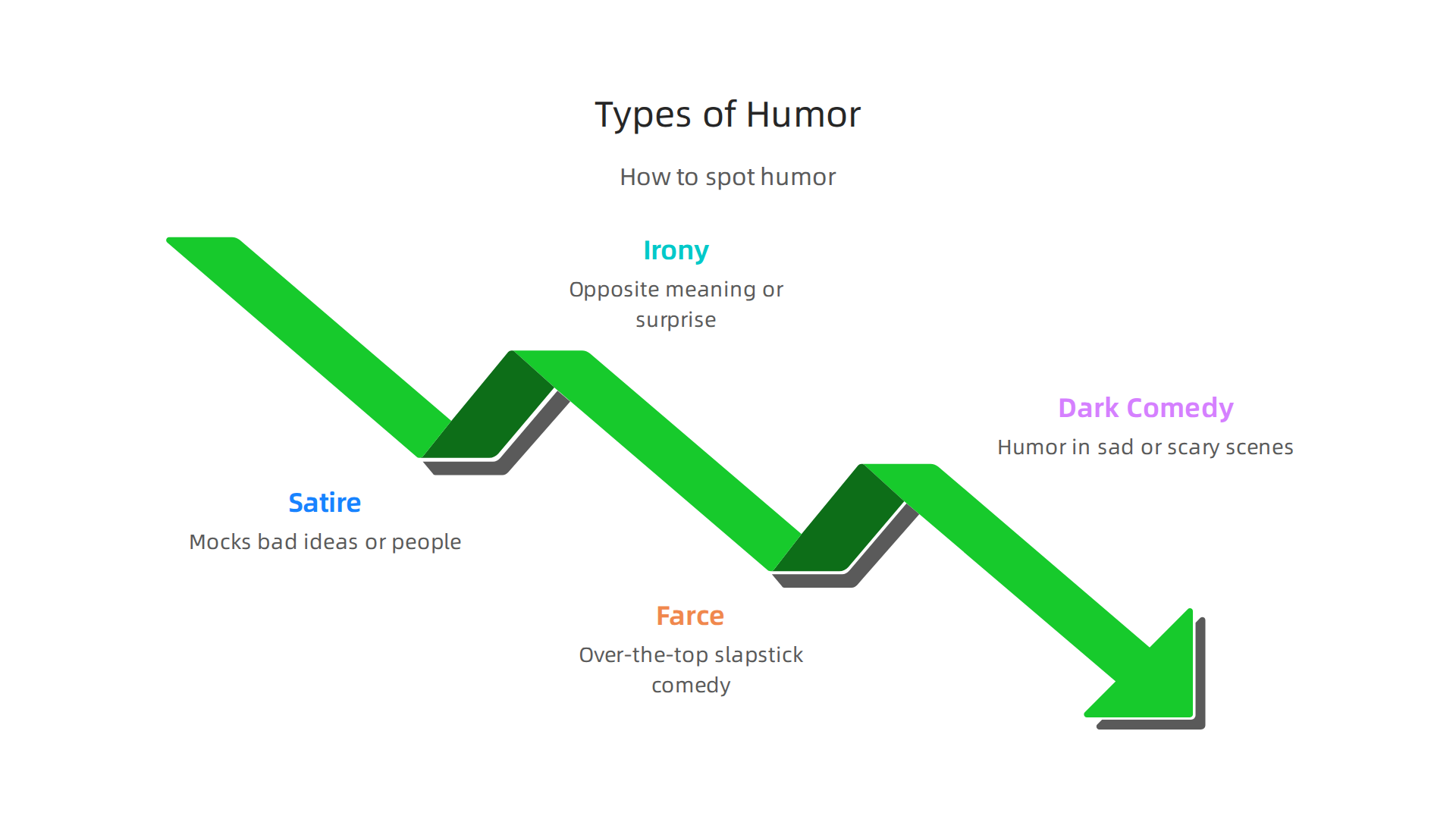
- Satire: This is when an author makes fun of bad ideas, unfair rules, or silly people in power. They use humor to show that something is wrong. For example, a character might act very proud but always make mistakes, showing how foolish pride can be.
- Irony: This happens when words are used in a way that means the opposite of what they say. Or, when something happens that is the opposite of what you expect. If a character says, "Oh, what a lovely day," when it’s pouring rain, that’s irony.
- Farce: This is humor that is very silly and over-the-top. Think of slapstick comedy, like someone slipping on a banana peel. In books, it might be characters getting into wild, unbelievable messes that are just plain funny.
- Dark Comedy: This type of humor finds funny things in sad, scary, or serious situations. It might make you feel a little uncomfortable, but it helps show how strange life can be, even in tough times.
Why Humor Can Be Hard to See
Sometimes, we miss the jokes in older books because:
- Different Times: Jokes often rely on what people knew or believed back then. If we don’t know that history, the joke might fly over our heads.
- Different Language: Words change meaning. A word that was funny long ago might just sound normal to us now.
- Serious Topics: When a book deals with big, important ideas, like the
book invisible mandoes, we might not expect humor. Our minds are set for serious thoughts, like when reading aninto the wild bookor alife of pi book. But humor can still be there. Experts even say it’s important to help students find the humor in literary works Helping students see humor in literary works (opinion).
Tips for Spotting the Funny Parts
To find the humor, try these simple tricks:
- Look for Exaggeration: Does a character say or do something that’s way too much, too big, or too dramatic for the situation? That’s probably meant to be funny.
- Notice Silly Characters: Is a character constantly making foolish choices or getting into embarrassing situations? The author might want you to laugh at them, or with them.
- Listen for Opposite Meanings: When a character says something, does it seem like they might mean the exact opposite? That’s irony at play.
- Pay Attention to Small Details: Sometimes, a small, unexpected event or a funny way a character speaks can be a joke.
Finding humor in classic novels to read for beginners like the book invisible man adds another layer to your reading. It shows how skilled authors use all kinds of tools to tell their stories, not just serious ones. If you’re looking for more genuinely funny books, check out some guides that make the search easier. Find humorous books that deliver real laughs without the guesswork.
After learning how to spot the funny bits, you might wonder which classic books offer these joys. It’s helpful to have a quick guide to find novels that fit your mood or how much time you have to read. Here are some classic books to consider, grouped by what you might be looking for in 2026.
Classic Novels for Every Mood and Pace
Choosing a book can be like picking a snack. Sometimes you want something light and funny, other times you want a big meal that makes you think.
For a Good Laugh (Obvious Humor)
If you’re looking for clear, laugh-out-loud moments, these classics bring the fun:
- Three Men in a Boat (To Say Nothing of the Dog) by Jerome K. Jerome: This book is full of silly adventures and funny situations as three friends go on a boating trip. It’s a quick read, known for its lighthearted humor and slapstick comedy that still makes readers chuckle today.
For Clever, Thinking Humor (Satire and Irony)
These books use humor in smart ways, making you think while you smile:
- Pride and Prejudice by Jane Austen: This is a classic
novels to read for beginnersbook with witty talk and clever observations about people and society. It’s not laugh-out-loud funny in every sentence, but the sharp humor about manners and love keeps you engaged. It’s a medium-length read that’s very rewarding. - Gulliver’s Travels by Jonathan Swift: Join Gulliver on wild journeys to strange lands. Swift uses these adventures to cleverly make fun of human nature and society. It’s a longer book, but each journey is a new, funny, and thought-provoking look at the world.
For Stories with Deep Meaning AND Hidden Humor
Some of the best books teach us big lessons but also sprinkle in humor, often dark or satirical.
- Invisible Man by Ralph Ellison: The
book invisible manis a powerful story about identity and finding your place in the world, especially for Black Americans. It deals with serious topics like racism and what it means to be seen or unseen in society Invisible Man Themes. But even in its serious moments, there are flashes of dark humor and irony that make you think deeply about the human spirit. It’s a longer, important read that will stay with you. - Life of Pi by Yann Martel: While not a comedy, the
life of pi bookis an amazing adventure with moments of wonder and unusual situations that can make you smile. It’s about surviving a shipwreck with a tiger and is full of deep thoughts about faith and storytelling. - Into the Wild by Jon Krakauer: Like the
into the wild book, these kinds of stories aren’t meant to be funny, but they offer such strong ideas and gripping true events that they provide a different kind of rich reading experience.
For an Epic Adventure (But Easy to Get Into)
If you like a long story that keeps you hooked, try this:
- The Count of Monte Cristo by Alexandre Dumas: This is a grand tale of revenge and adventure. It’s a long book, but the exciting plot and memorable characters make it easy to keep turning the pages. It’s surprisingly engaging and still delights readers in 2026 The Count Of Monte Cristo Is A Humorous Classic That Still Surprises Readers In 2026.
Finding the right book for your mood can make reading classics a true pleasure. If you’re looking for more genuinely funny books, remember to Read a Book That Actually Laughs.
After you find those perfect classic books, the next step is sharing them with friends in a book club.

Talking about books makes them even better, especially when you find the funny parts together. Here are some simple ways to make your book club fun and easy, with schedules and questions that help everyone join in.
Book-club friendly approaches: prompts, short schedules, and discussion tips
Starting a book club or keeping one going should be fun, not stressful. It’s all about enjoying stories and sharing ideas.
Flexible Reading Schedules
Not everyone reads at the same speed. Here are some easy schedules to help your group read classic novels without feeling rushed.
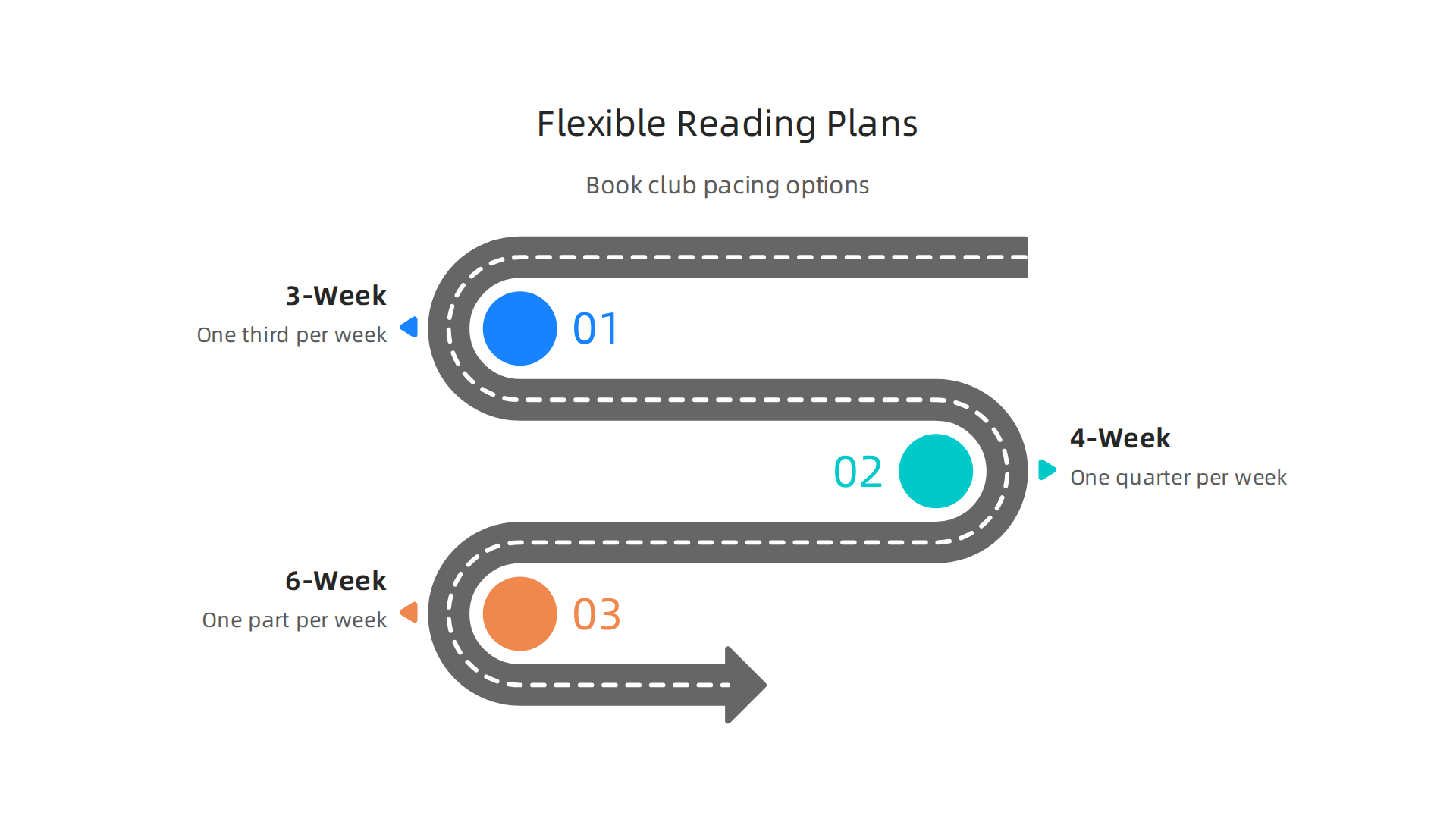
These are great for novels to read for beginners too.
- 3-Week Plan (For Shorter Books):
- Week 1: Read the first third of the book.
- Week 2: Read the middle third.
- Week 3: Finish the book. Meet to chat about the whole story.
- 4-Week Plan (For Medium Books):
- Week 1: Read the first quarter.
- Week 2: Read the second quarter.
- Week 3: Read the third quarter.
- Week 4: Finish the book. Hold your discussion.
- 6-Week Plan (For Longer Books):
- Break the book into six equal parts. Read one part each week. Meet after finishing. This works well for a book like the
book invisible manor other deeper stories.
- Break the book into six equal parts. Read one part each week. Meet after finishing. This works well for a book like the
Lively Discussion Prompts
Good questions help everyone talk. Here are some ideas, especially for books with humor.
- General Questions:
- What was your favorite part of the story, and why?
- Which character did you like the most or least?
- What big ideas did the book make you think about? (For example, with the
life of pi book, you might talk about faith or survival.) - Did the ending surprise you? How did it make you feel?
- Humor-Focused Questions:
- What made you laugh or smile in the book? Was it a silly moment, clever wordplay, or something else?
- Did the humor help the story, especially in tough parts? Sometimes authors use jokes to make serious points How is Comedy Used in Literature? Writing Jokes that Work in a Novel.
- Was there any "hidden" humor or sharp wit you noticed? Like in the
book invisible man, sometimes the humor is dark and makes you think.
Leading a Mixed-Experience Group
Some people read a lot, others just started. Make sure everyone feels good about sharing.
- Be Welcoming: Start with easy questions. Let people share short thoughts first.
- Encourage Everyone: Ask quiet members, "What did you think of X?" or "Did anything about this story, like the
into the wild book, really stick with you?" - Talk About Humor: Sometimes, humor in old books can be hard to spot. A helpful leader can point out clever bits, which can make a big difference for new readers Helping students see humor in literary works opinion. This helps everyone enjoy the book more.
- Keep it Gentle: No one should feel wrong for their ideas. It’s about sharing different ways of seeing the story.
A great book club helps everyone grow their love for reading and connect with others. If you’re looking for more ways to make your discussions truly special, check out these ideas for Book Club Books For Discussion That Spark Unforgettable Conversations.
Looking for Funny Fiction? The Ridiculous delivers strange humor, quick wit, and heart. Discover your next favorite laugh with Looking for Funny Fiction?.
Summary
This article helps readers rediscover classic novels by breaking down why these books still matter and how to make them approachable in 2026. It explains what makes a novel a classic, shows practical ways to choose beginner-friendly titles, and gives fast, focused reading strategies for busy lives. You’ll learn how to pick the right edition—print, annotated, e-book, or audiobook—and how to use guides and summaries to get the most out of a book. The guide uses Ralph Ellison’s Invisible Man as a clear example, outlining its themes of identity, race, and invisibility and suggesting how to read it without feeling overwhelmed. It also explains how to spot different kinds of humor in older works and recommends starter classics by mood and length. Finally, the article offers book-club plans, prompts, and simple schedules so you can share these reads with others and enjoy deeper conversations.