

Introduction
Have you ever picked up a classic novel and worried it would feel slow, outdated, or just plain boring? You are not alone. Many readers in 2026 face the same problem: there are so many books to choose from, and no one wants to waste time on a story that fails to deliver.
Here is the good news. The Count of Monte Cristo is not your average classic. Written by Alexandre Dumas, this novel blends revenge, romance, and unexpected humor into one unforgettable ride. The story follows Edmond Dantès, a young man who gets betrayed by friends, locked away in a terrible prison, and later escapes to seek justice against those who ruined his life. But the journey is anything but simple. It is full of clever twists, witty dialogue, and moments that will make you smile.
What makes this book special is how it was born from real events. Dumas once said the main storyline came from a true crime case found in the Paris police archives. A man named Pierre Picaud was wrongfully imprisoned based on false accusations, just like Dantès. The real story behind the fiction adds a layer of depth that few novels can match. If you want to explore the fascinating history, you can read about Pierre Picaud and how his life inspired the novel.
A lot of people also compare The Count of Monte Cristo to other famous books like The Great Gatsby or The Alchemist. But Monte Cristo stands apart because it offers both deep meaning and pure entertainment. You get a story that makes you think while also keeping you hooked until the very last page.
In a world full of reading choices, this novel continues to prove why it matters. It delivers the kind of fast-paced storytelling that modern readers crave. Whether you are new to Alexandre Dumas books or you already love his work, this is a title worth your time.
If you enjoy stories that mix adventure with clever wit, you might also like exploring other humorous reads. And for those ready to dive into a book that actually makes you laugh, check out a smart comedy adventure that brings absurd sci-fi energy to the page.
So why should you pick up The Count of Monte Cristo in 2026? Because it offers something rare: a classic that feels fresh, funny, and deeply satisfying. Let us explore what makes this book a must-read for anyone who loves a good story.
The Enduring Appeal of Alexandre Dumas’s Masterpiece
So why does a story written almost 200 years ago still feel so alive today? The answer lies in how Alexandre Dumas built The Count of Monte Cristo. He did not just write a simple revenge tale. He created a world full of tension, humor, and deep human questions.
When the novel first appeared in serial form from 1844 to 1846, it was a massive hit. People lined up to read each new chapter. The story follows Edmond Dantès, a young sailor who gets betrayed by jealous friends and locked away in the infamous Château d’If. After years of suffering, he escapes, finds hidden treasure, and reinvents himself as the mysterious Count of Monte Cristo. His goal? To punish the men who destroyed his life.
But here is the thing. Dumas did not make up the main idea out of thin air. He based it on a real case from the Paris police archives. A man named Pierre Picaud was also wrongfully imprisoned after false accusations. Dumas took that true story and turned it into something bigger. He added sharp dialogue, clever disguises, and moments of unexpected wit. That is why the novel is often compared to other classics like The Great Gatsby or The Alchemist. But Monte Cristo stands out because it blends deep meaning with pure entertainment. You get a story that makes you think while also keeping you hooked.
The setting also plays a huge role. Dumas places readers in France, Italy, and the Mediterranean during a time of political change. The era of the Bourbon Restoration creates a rich backdrop for betrayal and justice. You can almost feel the tension in the air as Dantès plots his revenge.
What makes this book last is its mix of adventure, intrigue, and humor. Modern readers in 2026 want stories that deliver both escape and substance. This novel does exactly that. It is a fast-paced ride that also asks big questions about forgiveness and fairness.
If you love discovering books that balance smart humor with a gripping plot, you might enjoy exploring other authors who write laugh-out-loud books. And if you are ready for a story that brings strange humor and quick wit to every page, check out The Ridiculous, a comedy adventure that delivers exactly that kind of energy.
The Count of Monte Cristo as a Humorous and Thrilling Adventure
You might be wondering: can a revenge story actually make you laugh?

It sounds strange, but the answer is yes. Alexandre Dumas packed The Count of Monte Cristo with quick wit, clever wordplay, and moments that are genuinely funny.
Readers often expect a dark, heavy story from a novel about betrayal and punishment. But Dumas had other plans. One reviewer described the book as being "about much more than revenge with modern themes, humor, wit" and said it was enjoyable to read even in its unabridged form. That humor is not just an accident. Dumas knew when to break the tension.
Take the courtroom scenes, for example. The Count shows up looking mysterious and sophisticated. He speaks in riddles. His enemies squirm. The dialogue moves fast, and Dumas uses dramatic irony to let you in on the joke. You know exactly what is happening, but the characters have no clue. That gap creates both suspense and comedy at the same time.
The disguise scenes are another highlight. The Count changes his appearance constantly. He dresses as an Italian priest, a wealthy banker, and a mysterious traveler. Each disguise comes with a new personality and a new way to toy with his targets. There is something playful about watching him outsmart everyone with a change of clothes and a fake accent.
One reader on The StoryGraph summed it up perfectly: "it’s also SO funny?" The surprise of finding humor in such an intense story is part of what makes the book special.
Why Comedy Fans Appreciate It
If you love books that balance serious moments with lighthearted energy, this novel delivers. Dumas does not shy away from big themes like justice and forgiveness. But he wraps them in clever banter and character quirks that make you smile. The characters have exaggerated personalities. Some are greedy. Some are vain. Dumas paints them with a playful brush.
The novel also uses rhythmic flow and dynamic pacing to keep things moving. Just when a scene gets too heavy, Dumas injects a witty line or a ridiculous situation. That rhythm is what makes the 1,200 plus pages feel surprisingly fast.
For fans of humorous books, this is a rare find. It proves that classics can be both smart and fun. If you enjoy this kind of mix, you might also like checking out other authors who write laugh out loud books for similar energy.
Ready for a Laugh-Filled Adventure?
If the blend of adventure and humor in The Count of Monte Cristo appeals to you, consider picking up something with a similar spirit. The Ridiculous delivers strange humor, quick wit, and a smart comedy adventure with absurd sci-fi energy. It is the kind of book that makes you laugh while keeping you hooked on the story.
Key Themes: Justice, Revenge, and Redemption
Beyond the humor and adventure, The Count of Monte Cristo dives into some seriously big questions.
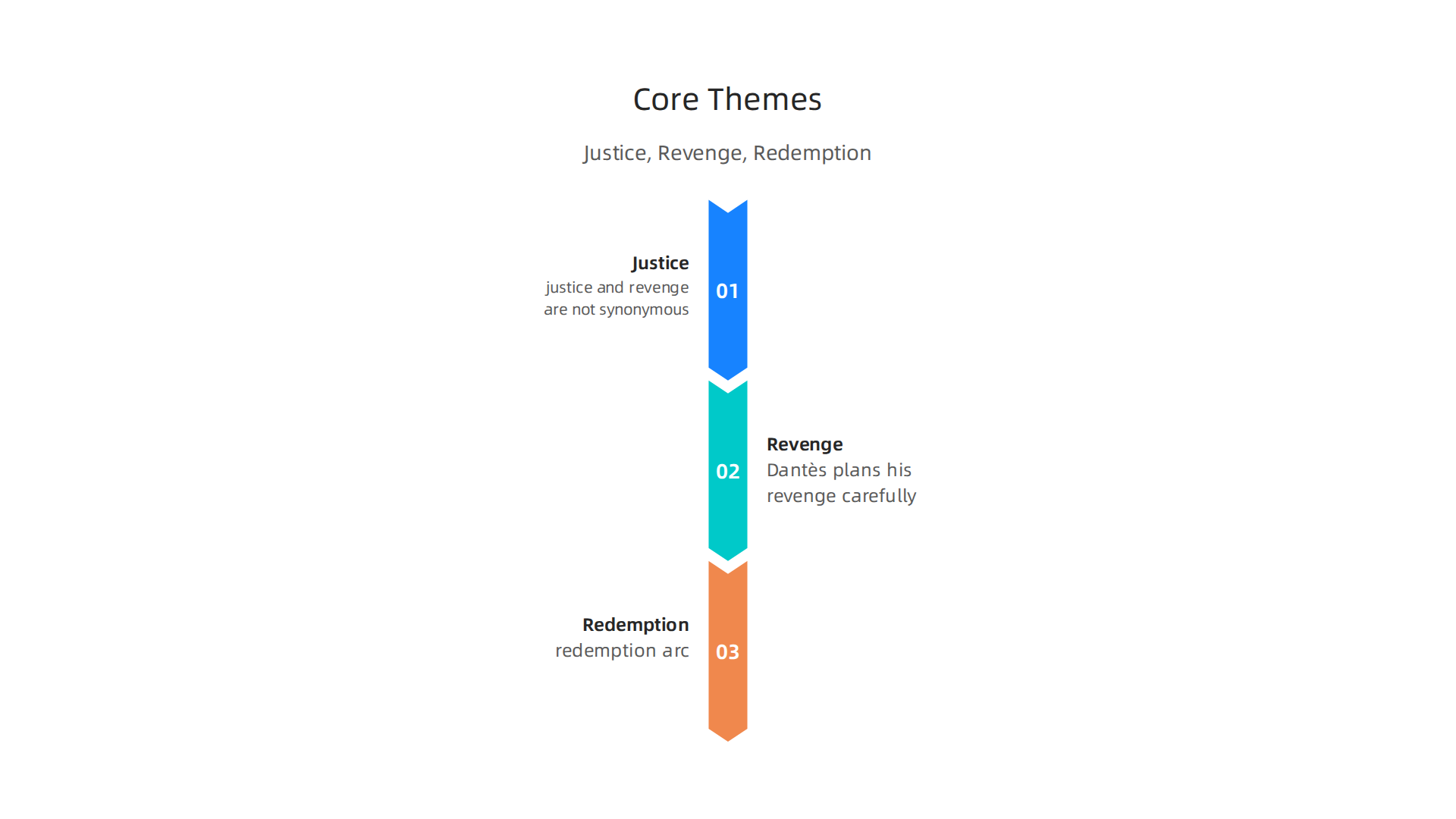
Dumas weaves together themes of justice, revenge, and redemption in a way that still makes readers think today. The novel challenges us to ask: where is the line between fair punishment and personal payback?
Dumas based the story on a real person. He found the tale in the Paris police archives, a case about a man named Pierre Picaud who was wrongly imprisoned and then sought revenge. This true crime background gives the themes a gritty, real feel. Edmond Dantès starts as an innocent man whose life gets destroyed by jealous rivals. When he escapes from prison and finds a hidden treasure, he has the power to punish everyone who hurt him. But does that make what he does right?
The novel makes it clear that justice and revenge are not the same thing. Dumas shows us that Dantès plans his revenge carefully, but he also causes pain to innocent people along the way. The line between righteous punishment and personal vengeance gets blurry. One source explains that through Dantès’s journey, Dumas suggests that "justice and revenge are not synonymous." The Count at times seems like a hero, and at other times like a cold, cruel force. This moral ambiguity keeps you turning pages and questioning what you would do.
The Redemption Arc That Satisfies
Here is the thing: Dantès does not stay angry forever. His journey also includes a redemption arc. Over time, he starts to see the limits of his revenge plan. He meets people who show him love and forgiveness. Through characters like Haydée, he rediscovers the possibility of peace. The novel ends with a hopeful note. The Count learns that true happiness comes not from destroying others but from letting go. This adds depth to the story and makes it more than just a revenge fantasy.
These themes also make the book a perfect pick for book club discussions.

There is so much to debate about fairness, forgiveness, and whether the Count ever finds the peace he deserves.
A Modern Take on the Same Themes
If you enjoy stories that mix deep questions with humor and heart, you will probably love The Count of Monte Cristo. And if you are looking for a fresh, funny book with a similar spirit of adventure and moral depth, The Ridiculous delivers strange humor, quick wit, and a surprising amount of heart. It is the kind of story that makes you laugh while also making you think.
Why Modern Readers (Especially Comedy Fans) Love the Count of Monte Cristo
So why is a 1,200-page novel from the 1840s still winning over readers in 2026? The answer is simple. The Count of Monte Cristo is not just one kind of story. It is adventure, romance, mystery, and even dark comedy all rolled into one. That cross-genre appeal means almost anyone can find something to love.
Think about it. You get a thrilling prison escape. You get a treasure hunt. You get a love story with Haydée. And you get the Count’s clever tricks and witty one-liners. One reader on Goodreads summed it up perfectly: "Edmond Dantes, you messy, messy bitch." That mix of drama and playful energy is exactly what makes it a hidden gem for comedy fans. The book is full of ironic twists and sarcastic banter. The Count often laughs at his enemies while they dig their own graves. That kind of humor feels very modern.
A Book Club Darling for 2026
Here is something surprising. The book’s huge size is actually a strength for group reading.

Book clubs love it because there is so much to sink your teeth into. You can debate the pacing, the moral choices, and whether the Count goes too far. Many groups use discussion guides to help them talk about key moments. The Bookclubs discussion guide asks smart questions about whether the pacing fits the scope of the story.

That kind of deep conversation is why the novel stays popular year after year. In fact, the March 2026 book discussion on Goodreads called it a story about "betrayal, imprisonment, reinvention, revenge." Those big themes give any reading group plenty to talk about.
If you are looking for more books that spark great conversations, check out our list of book club books for discussion that spark unforgettable conversations.
What Comedy Fans Love Most
Let me break down why humor readers specifically enjoy this book. It is not a laugh-out-loud comedy. But it is full of sharp, ironic moments. The Count sets up elaborate traps for his enemies. He watches them fall with a dry smirk. That kind of revenge comedy is satisfying. And Dumas himself had a playful, theatrical style. He knew how to write a scene that makes you smile at the cunning of the hero.
If you love witty banter and clever payoffs, The Count of Monte Cristo delivers in spades. And if you want a modern book with that same spirit of strange humor and adventure, you will love The Ridiculous. It brings the same quick wit and surprising heart, but in a much shorter package. Perfect for a weekend read.
A Look at the Characters: From Edmond Dantès to Abbé Faria
The characters in The Count of Monte Cristo are what make the book unforgettable.

They feel like real people with real flaws and messy emotions. That is a big reason why the story still works so well in 2026.
Let us start with Edmond Dantès. When we first meet him, he is a kind, simple sailor with a bright future. But after he is betrayed and thrown into prison, he changes completely. He spends years in the dark Château d’If, and that experience breaks and rebuilds him. He loses his innocence and gains a sharp, calculating edge. By the time he escapes and finds the treasure, he is no longer Edmond. He becomes the Count of Monte Cristo, a mysterious figure who plans his revenge with cold precision.
But here is the thing. The Count is not just a one-note villain. He is also witty, charming, and sometimes even funny. He sets up elaborate traps for his enemies and watches with a dry smirk as they fall. Readers often say the book is "SO funny" because of these ironic moments. One reviewer on The Storygraph even said the moral of the story is simple: "Do not do bad things. Be nice to people." That is the dark comedy at the heart of the tale. The humor comes from watching bad people get what they deserve in clever, satisfying ways.
The supporting cast is just as strong. Abbé Faria is the old prisoner who becomes Edmond’s mentor. He is wise and patient, and he gives Edmond the education and the treasure map that change his life. Without Faria, Edmond would never have become the Count. Then there is Mercédès, the woman Edmond loved before his arrest. She is torn between her past and her present. And Fernand, the man who betrayed Edmond out of jealousy. Each character has a purpose, and each one adds depth to the story.
The way these characters evolve is what makes the book feel alive. Dumas does not just make them heroic or evil. He makes them complex. They struggle with regret, revenge, and the need for justice. Themes like these are explored in depth by literary analysts, who point out that the novel questions whether revenge and justice are the same thing. That is a big question, and the characters help us think through it.
If you enjoy rich character development, you might also love other authors who create memorable, funny people. Check out our list of 10 authors who write laugh out loud books you will love for more recommendations.
In the end, The Count of Monte Cristo gives you characters you can root for, laugh at, and even argue about. That is rare in any book. And if you want a modern story with that same wit and heart, you will enjoy The Ridiculous. It brings the same playful spirit in a much shorter read.
How the Book Compares to Other Epic Stories
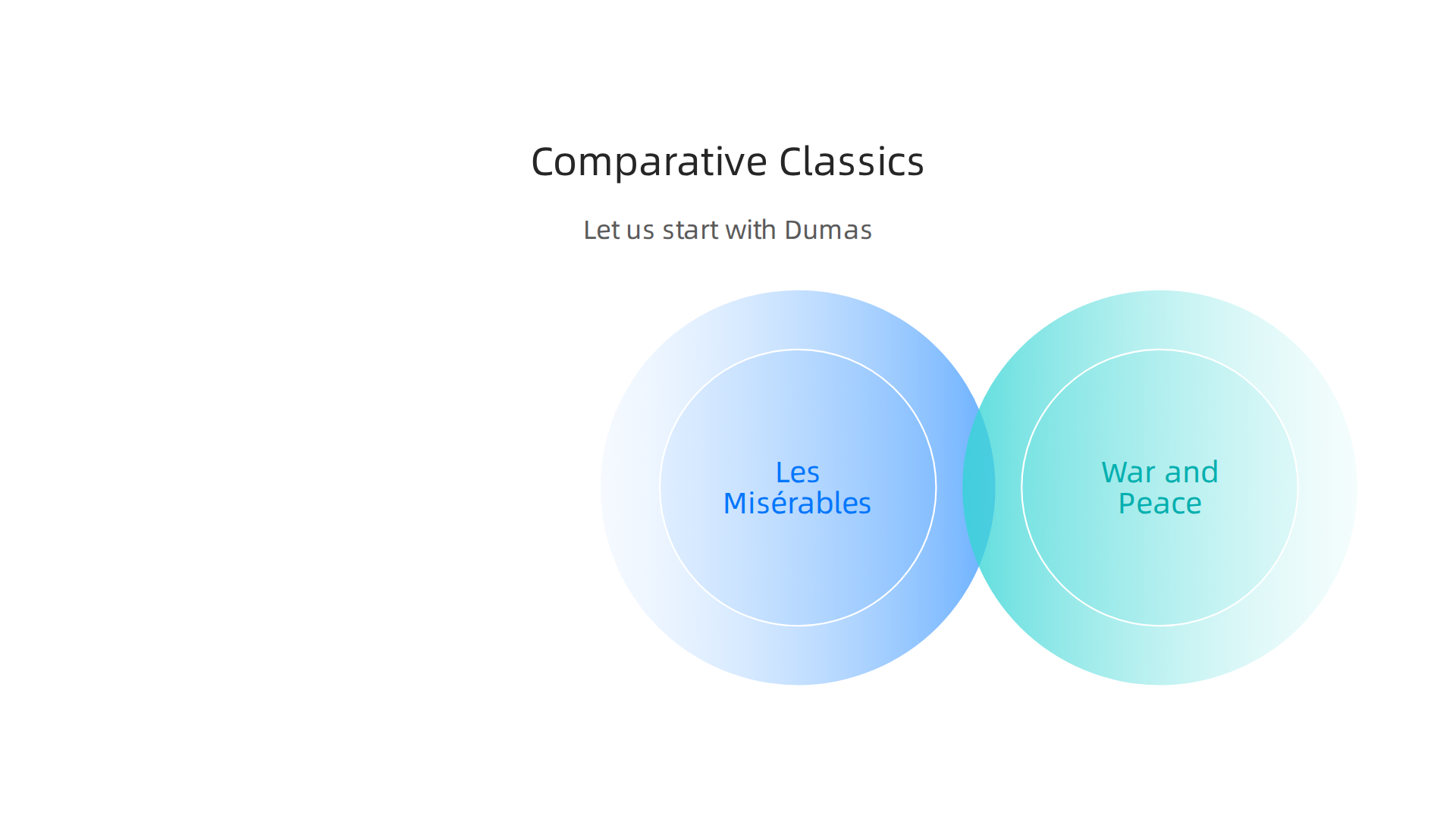
The Count of Monte Cristo sits in a special spot among the great doorstopper classics. You have Les Misérables, which is massive and emotional. You have War and Peace, which is huge and philosophical. And you have Alexandre Dumas’ other big hit, The Three Musketeers, which is fast and fun. But this book feels different from all of them.
Let us start with Dumas himself.
He is best known for The Three Musketeers and The Count of Monte Cristo, two swashbuckling epics that are often grouped together. But they are not the same. The Three Musketeers is about a group of friends running around having adventures. It is loud and chaotic. The Count of Monte Cristo, on the other hand, is quieter. It is one man sitting in the dark, thinking, then moving his pieces like a chess player. As Wikipedia notes, the novel was serialised from 1844 to 1846, and readers had to wait week after week to see what the Count did next. That slow burn is part of the magic.
Now compare it to Les Misérables by Victor Hugo. Both books are French. Both are long. Both deal with justice and redemption. But Hugo spreads his attention across many characters. Jean Valjean, Javert, Fantine, Cosette. Each one gets a spotlight. In The Count of Monte Cristo, everything revolves around Edmond Dantès. You see the world through his eyes. His plan is the engine that drives the whole story forward. That focus makes the book feel tighter, even though it is still a long read.
So what about War and Peace? Tolstoy’s epic is about history, fate, and entire armies. It covers years of war and dozens of lives. It is a sweeping panorama. The Count of Monte Cristo is more like a maze. It is a single, carefully designed trap. Readers often call it one breathtaking epic, unlike anything else they have experienced. One Hacker News commenter said they had not experienced such amazement from any other book. That is high praise.
Now here is a big question. Does The Count of Monte Cristo have humor? Yes, but it is a specific kind. It is not the slapstick of The Three Musketeers or the absurdity of some modern comedies. It is the cold, ironic satisfaction of watching a bad person walk right into a trap they never saw coming. The Count is not like Doyle’s Sherlock Holmes, who is easy to root for. He is more complex, almost unsettling. That dark comedy sets this book apart from other adventure epics, which often play their stories straight.
If you enjoy books with that same witty, playful energy, you might also check out our list of book club books for discussion that spark unforgettable conversations. It is a great way to find your next read.
So here is the bottom line. The Count of Monte Cristo is not just another classic. It is a unique blend of revenge, wit, and tight storytelling that stands apart from the other big epics. And if you want a modern story with that same clever spirit, give The Ridiculous a try. It brings the laughs in a much shorter package.
Practical Tips for Enjoying This Classic
So you want to read The Count of Monte Cristo but feel a little nervous about the size.
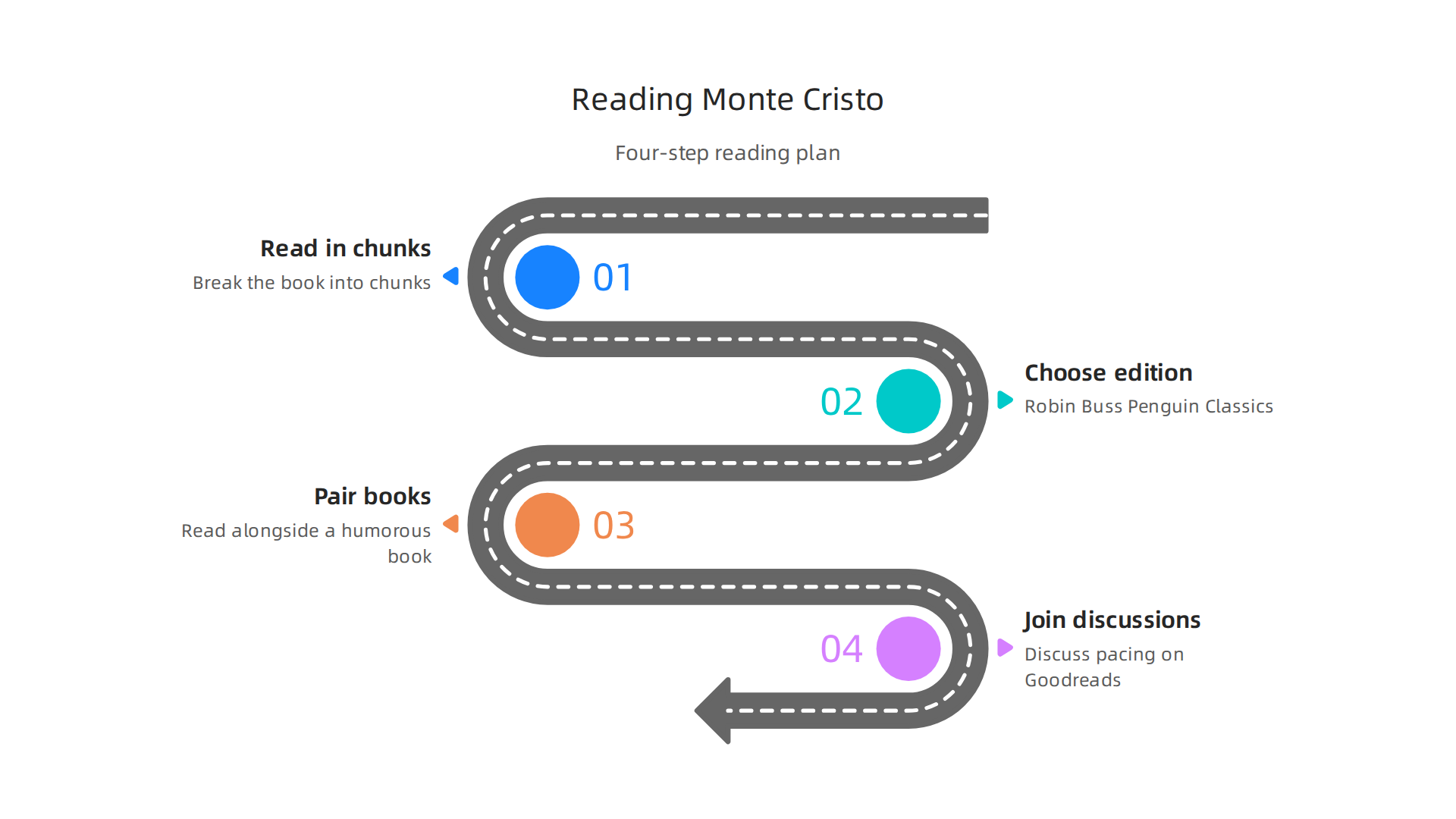
That is totally normal. This book is a beast. But with the right approach, you can actually enjoy the ride instead of feeling stuck. Here are some practical tips that will help you get through it and have fun along the way.
First, think about how you read it. The novel was originally published as a serial in 1844 to 1846. People waited week after week for the next part. You can do the same. Break the book into chunks. Read one chapter or a set of pages each day. Treat it like a TV show. This keeps the story fresh and stops you from burning out. Many book club discussions note that the pacing changes throughout the book, and reading in sections lets you appreciate the slow build. You can also use discussion guides, like those found on Bookclubs, to help you reflect after each part.
Next, pick the right edition. The translation matters a lot. For modern readers, the Robin Buss translation published by Penguin Classics is widely considered the best choice.

It is the only complete and unabridged version in English today. One expert source recommends it strongly and others agree that it captures Dumas’ voice beautifully. Do not try an old 19th-century translation that cuts out whole chapters. Get the Robin Buss edition and you will have the full story as Dumas intended.
Now here is a fun tip. Pair The Count of Monte Cristo with a humorous modern book. The revenge plot can get heavy, so having a funny book on the side balances things out. You could check out our list of 10 authors who write laugh-out-loud books you will love for some light reads. Or if you want a single book that mixes adventure with absurd humor, try The Ridiculous. It is a short, witty sci-fi comedy that will give you a break from the 19th century drama. That contrast might actually help you appreciate Dumas even more.
Finally, remember you are not alone. Thousands of readers tackle this book every year. There are active discussions on Goodreads and other forums where people share tips and questions. In 2026, the March book discussion on Goodreads featured lots of readers sharing their experiences with the novel. Jump into a conversation if you need motivation.
So grab that good translation, read it in small pieces, and keep a funny book nearby. You will finish the count of monte cristo book and be glad you did.
Summary
This article explains why Alexandre Dumas’s The Count of Monte Cristo remains a must-read for modern audiences, arguing that its blend of revenge, adventure and surprising humor keeps it fresh even in 2026. It covers the novel’s true-crime origins, its serialized publication history, and the tight, character-driven plot that follows Edmond Dantès from betrayal to reinvention as the Count. The piece highlights Dumas’s use of wit, disguise and dramatic irony to lighten heavy themes while exploring moral questions about justice and forgiveness. You’ll find comparisons to other long epics, a close look at memorable characters like Abbé Faria and Mercédès, and concrete reading tips—such as choosing the Robin Buss translation and pacing the novel in chunks—to help modern readers and book clubs enjoy the experience. The article also recommends pairing the book with lighter, funny reads if you need balance, and shows why the novel sparks rich group conversations.